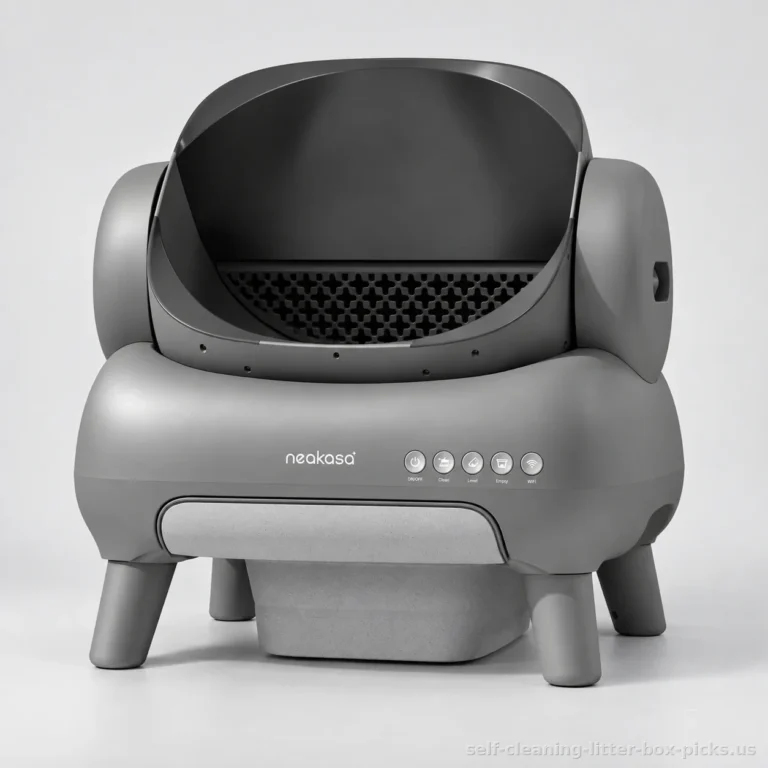
Maintenance and troubleshooting
From entry-level to high-end models, focus on differences in cleaning and access to parts. The selection of automatic litter box models helps you assess these criteria beyond the features on offer.
Our first guides on this topic are coming soon.
Why does an automatic litter box still need maintenance?
Why an automatic litter box still needs maintenance
An automatic litter box reduces daily waste handling, but it does not eliminate manual cleaning. To limit maintenance problems and breakdowns, keep 2 essential guidelines in mind: follow the model’s instructions and act as soon as you notice unusual operation.
It offers a practical benefit if you want to reduce this chore while continuing to check the litter box regularly. It is best suited to people willing to empty the waste, check that accessible parts are clean and carry out scheduled cleaning. It does not replace your presence during an extended absence.
Removing waste and washing surfaces serve different purposes. Residue can remain in areas that come into contact with litter. The instructions should specify which components can be removed, which parts can be washed and what precautions apply to electrical components.
Why a stopped cycle does not necessarily mean a breakdown
An automatic litter box that stops rotating does not necessarily have a faulty mechanism. Depending on its documented operation, it may stop because of a planned pause, an unmet operating requirement or a need for maintenance. A fault remains possible, but this symptom alone is not enough to determine the cause.
The Comparatif Litière guide recommends checking the power supply, sensors and manual. To make these checks useful, start by noting the exact indicator light or message, along with the point at which the cycle stops.
- Check what the signal means in the instructions.
- Limit checks to procedures intended for the user.
- Only follow the reset procedure specified by the manufacturer.
Do not force the mechanism or bypass any safety feature. If operation remains abnormal, leave the appliance switched off and contact customer support for advice. Keep a conventional litter box available for your cat.
Why odours alone cannot identify a fault
A persistent odour warrants a check, but it does not prove there is a fault. The maintenance guide mentions the filter and the litter used. These are possible causes to investigate depending on the model’s features, rather than a definite diagnosis.
Check the waste compartment and accessible surfaces first. Then check that the litter complies with the manufacturer’s instructions, followed by filter maintenance if the appliance has a filter.
Masking the odour does not address its cause. Adding a fragrance or another product without checking whether the instructions allow it is likely to complicate maintenance. If the odour persists after the specified cleaning, describe the situation precisely to customer support.
Why ease of maintenance matters when buying
When comparing automatic litter boxes, pay as much attention to maintenance tasks as to the features offered. An accessible tray, clear disassembly instructions and documented replaceable parts help you anticipate daily maintenance requirements.
If you are looking for an entry-level automatic litter box, compare consumables and repair options too. The total cost goes beyond the purchase: bags, filters where applicable, compatible litter and parts can all affect your budget. A reliable cost range cannot be established.
A high-end position does not guarantee a long lifespan. When browsing the selection on this page, prioritise models with clearly documented maintenance, consumables and support, then choose according to your cat’s needs and your constraints.
How do you choose an automatic litter box that is easy to maintain?
To keep maintenance demands and breakdowns to a minimum, choose an automatic litter box with clearly documented cleaning instructions, identifiable consumables and readily available parts. The manual and after-sales service terms are your best points of comparison. A connected feature alone does not tell you how easy it is to maintain or repair.
What makes an automatic litter box easy to maintain?
Before ordering, read the manual. Check how to remove the waste bin, access the surfaces that need cleaning and maintain the sensors. If these steps are unclear, ask the seller for instructions before making your choice.
Pay particular attention to the distinction between washable components and electrical parts. Clear disassembly instructions, along with drying and reassembly guidance, help you assess the actual maintenance demands.
| Criterion | What to look for | Common mistake |
|---|---|---|
| Cleaning access | Illustrated instructions for accessing the areas that need maintenance | Relying solely on promotional photos |
| Washable components | An explicit distinction in the manual | Assuming everything can be rinsed with water |
| Consumables | Precise product references and compatibility requirements | Overlooking recurring purchases |
| Spare parts | Clearly identifiable parts available to order | Confusing warranty coverage with repairability |
| Support | A clear point of contact and support procedure | Waiting for a breakdown before looking for contact details |
How do you choose cat litter that suits your needs?
Check the compatible litter specified by the manufacturer before buying. Do not assume that the litter used in your conventional tray will work with the automatic mechanism. Vague compatibility claims warrant written confirmation.
Next, compare the documented conditions of use with your cats’ needs, particularly any specified size or age limits. Also measure the space needed to open the unit and remove its components. A spot with enough room for operation may prove awkward during cleaning.
In an automatic litter box comparison, prioritise these practical details over app features. Also check which controls remain accessible directly on the unit.
What should you budget for purchase and upkeep?
Compare the total cost of ownership, rather than just the initial purchase price. Check the cost of the required bags, any filters, compatible litter and replacement parts. Include delivery charges for consumables where stated.
Reliable market price ranges cannot be established here without usable pricing information. It is better to leave a cost marked “not specified” than to offer a misleading estimate. Ask the seller for any missing prices.
If your search starts with “cheap automatic litter box”, pay particular attention to the availability of consumables and spare parts. A low purchase price tells you nothing about future expenses or lifespan.
How should you clean the unit without damaging it?
Choose a unit whose manual distinguishes routine checks from thorough cleaning. Follow its instructions on frequency and adjust this to actual use. Do not adopt a universal schedule intended for another model.
- Before dismantling, follow the specified shutdown and unplugging procedure.
- Remove only the components you are authorised to handle.
- Clean each area using the methods and products permitted by the manual.
- Do not immerse electrical parts or spray liquid onto them.
- Allow washed components to dry before reassembly and switching the power back on.
If there is a silicone base, check its care instructions and whether it can be replaced. Do not use disinfectant, fragrance or baking soda unless compatibility is explicitly documented.
What should you check when your automatic litter box gets stuck?
Before buying, look for a troubleshooting section organised by indicator light or message. An automatic litter box that gets stuck may need maintenance or have a fault. The symptom alone does not establish which.
- If it no longer switches on, check the connection and the external condition of the cable without opening any electrical components.
- If the cycle stops, note the exact message, then follow the checks the manual allows you to perform.
- If a sensor is flagged, follow only its documented cleaning procedure.
- If odours persist, inspect the waste bin, accessible surfaces and, depending on the equipment, the filter and litter used.
Never bypass a safety feature. If you notice abnormal movement, a burning smell or a damaged cable, stop using the unit and contact support. Keep a conventional litter tray accessible to your cat while the unit is out of service.
How can you check repairability before ordering?
Ask which parts are sold separately, how much they cost and who can replace them. A removable part is not necessarily available. Also check the return policy, any charges and the warranty terms.
If a fault occurs, have your proof of purchase, model reference, serial number and displayed message ready. Describe the checks you have already carried out. Compare repair and replacement based on a quote, without assuming longevity from market positioning.
Mistakes to avoid
- Confusing automatic waste removal with no need for manual cleaning.
- Choosing without reading the manual or identifying the consumables.
- Forcing a mechanism or repeatedly resetting it without following a procedure.
- Powering components back on while they are still damp.
Key takeaways
Prioritise clear maintenance instructions and documented repair procedures. Before ordering, check access to components, substrate compatibility, recurring costs and available support. Ask the seller to clarify any missing information on these points.
What should you do when your automatic litter box malfunctions?
Why has my automatic litter box stopped rotating?
An automatic litter box that has stopped rotating may be on standby, stopped by a safety feature or faulty. First, note the exact indicator light or message and check its meaning in the manual. Then check the power supply, followed by the accessible components specified by the manufacturer, with the appliance switched off. Do not force the mechanism or disable any sensors. Keep a conventional litter tray available for your cat while the appliance is out of service.
How do you clean an automatic litter box?
To clean an automatic litter box, follow the procedure in the manual and unplug the appliance before any manual intervention. Empty the waste and remove only components designed to be removed. Wash components identified as washable using approved cleaning products. Never immerse electrical components. For sensors, follow the method specified by the manufacturer. Allow cleaned components to dry completely before reassembling them and switching the appliance back on.
How long does a cat litter box last?
There is no universal lifespan for a litter box, whether conventional or automatic. Its condition matters more than its age. Watch for cracks, warping and surfaces that have become difficult to clean. For an automatic appliance, distinguish between wear to the tray and a mechanism failure. When comparing automatic litter boxes, prioritise documented information about replaceable parts and their availability over promises of longevity.
Why add baking soda to cat litter?
Baking soda is generally added in the hope of reducing odours, but it should not be routinely used in an automatic litter box. Unless the manufacturer explicitly recommends it, do not add it to the litter. Persistent odours call for checking the waste compartment, soiled surfaces and the litter being used first. Adding a deodoriser does not replace cleaning or help identify the cause of the problem.
How often should you clean an automatic litter box?
Cleaning frequency depends on the manual, usage and the appliance's condition. Routine checks and thorough cleaning are separate tasks. Regularly check the waste compartment, visible soiling and maintenance messages. Adjust maintenance to their condition without exceeding the intervals specified by the manufacturer. Automatic waste removal does not eliminate the need to clean the surfaces and components specified in the maintenance procedure.
Why does my automatic litter box still smell after cleaning?
Persistent odours may come from residue remaining in an accessible area, the waste compartment or the litter being used, without indicating a mechanical fault. The filter is another possible source if the appliance has one. Check each possibility according to the manual, particularly litter compatibility and any filter maintenance requirements. Avoid adding more scented products before locating the source of the odour.
How do you reset an automatic litter box after a blockage?
Resetting must follow the procedure specific to the model, after completing the checks required by the manual. There is no button combination that works for every appliance. Note the error message before taking any action and check that any removed components are correctly reassembled and dry. A reset does not repair a hardware fault. If the blockage returns, stop repeated attempts and report the symptoms to customer support.
When should you stop the appliance and contact customer support?
Stop the appliance if the mechanism operates abnormally while your cat is present, if a cable is damaged or if you notice a burning smell. A blockage that persists after the permitted checks also warrants contacting customer support. Never bypass a safety feature. Have the appliance's model reference, the exact message, photos and a list of the steps taken ready. Provide a conventional litter tray while the appliance is out of service.